
BYD Atto 3 Review in Nepal: Is It the Right Electric SUV for You?
This BYD Atto 3 review in Nepal examines whether the popular electric SUV suits everyday Nepali driving conditions. It is a five-seat family EV designed for buyers seeking comfort, modern technology, strong safety features and enough range for city commutes and occasional highway journeys.
Built on BYD’s e-Platform 3.0, the Atto 3 combines a Blade Battery with a 100 kW motor for the Nepalese market. It also offers a spacious cabin, useful driver-assistance features and a practical boot. However, specifications alone do not reveal the complete picture.
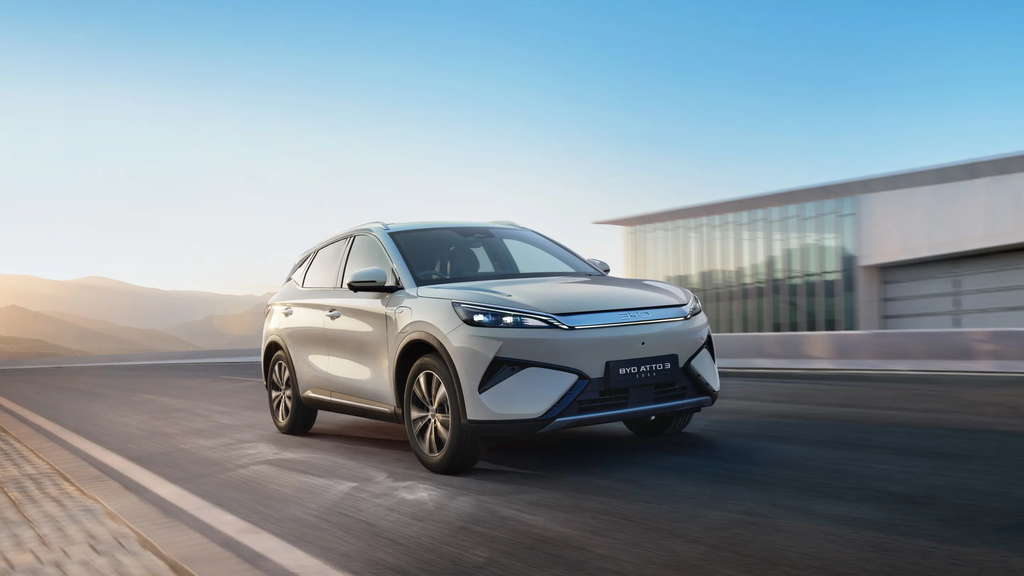
This review will assess how the Atto 3 fits Kathmandu traffic, steep hills, winding highways, uneven roads and Nepal’s developing charging network. It will also consider its price, ownership costs and long-term practicality.
BYD Atto 3 Price in Nepal
The BYD Atto 3 price in Nepal starts at NPR 62,90,000 for the Advance variant. The longer-range Superior variant costs NPR 78,00,000.
| Variant | Battery | Motor power | Claimed range | Price |
|---|---|---|---|---|
| Advance | 49.92 kWh | 100 kW | 345 km WLTP | NPR 62,90,000 |
| Superior | 60.48 kWh | 100 kW | 420 km WLTP | NPR 78,00,000 |
Both variants produce the same power, but the Superior offers a larger battery and 75 km more claimed range. The Advance may provide better value for regular Kathmandu commuting. Meanwhile, the Superior should better suit buyers who frequently travel between cities or have limited access to chargers.
Prices are based on the official Cimex listing and may change without notice.
BYD Atto 3 Specifications at a Glance
Both Atto 3 variants sold in Nepal use a 100 kW permanent-magnet synchronous motor producing 310 Nm of torque. Their main difference is battery capacity and driving range.
| Specification | BYD Atto 3 details |
|---|---|
| Battery | 49.92 kWh Advance; 60.48 kWh Superior |
| Battery type | BYD Blade Battery (LFP) |
| Motor power | 100 kW |
| Maximum torque | 310 Nm |
| Claimed range | 345 km Advance; 420 km Superior |
| Acceleration | 0–100 km/h in 10.1 seconds |
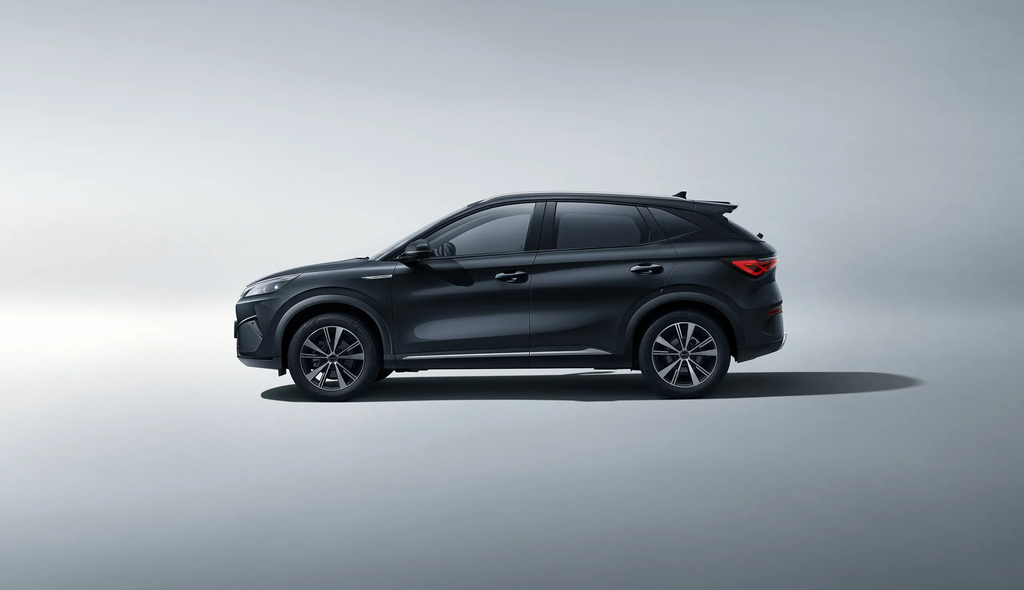
| Dimensions | 4,455 × 1,875 × 1,615 mm |
| Wheelbase | 2,720 mm |
| Ground clearance | 175 mm |
| Boot capacity | 434 litres; 1,340 litres with seats folded |
| Seating capacity | Five |
| Wheels | 18-inch alloy wheels |
| Platform | BYD e-Platform 3.0 |
These specifications give the Atto 3 a practical balance of cabin space, performance and efficiency for a compact family SUV. Figures are based on official Cimex and BYD Nepal information.
BYD Atto 3 Range and Charging
During our test in regular Kathmandu traffic with the AC running, the Atto 3 delivered less than its official WLTP range, but remained practical for everyday use.
| Variant | Claimed WLTP range | Range observed during testing |
|---|---|---|
| Advance | 345 km | Around 280–300 km |
| Superior | 420 km | Around 360–380 km |
Traffic, steep climbs, passenger load and climate control can reduce these figures. Therefore, drivers travelling through Nepal’s hilly regions should keep a comfortable range reserve. Regenerative braking helps recover some energy on descents, although it cannot fully offset the power used during long climbs.
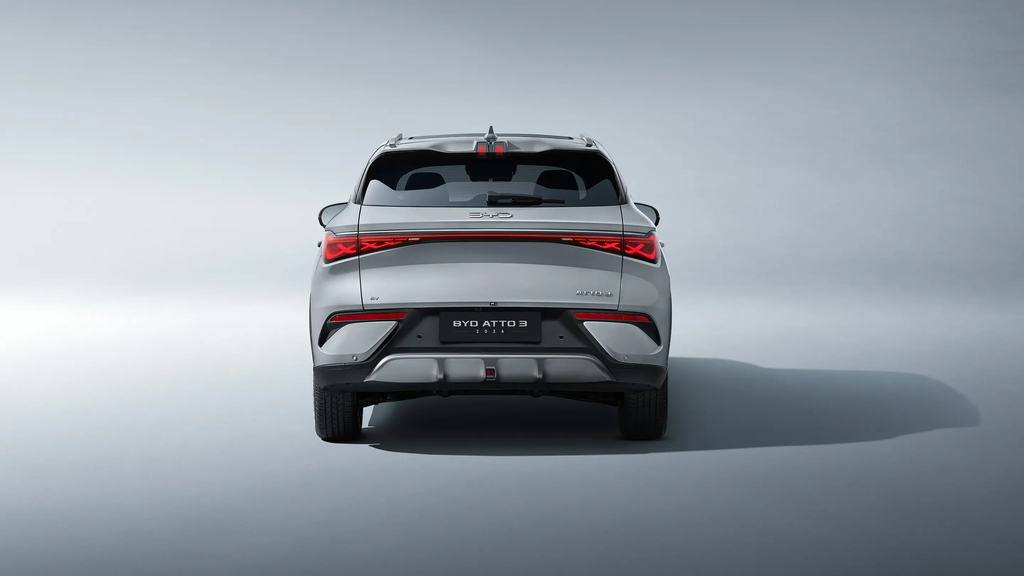
At a compatible DC fast charger, charging from 10% to 80% took us approximately 50 minutes. A 7.2 kW home charger should comfortably recharge the car overnight.
Based on an electricity rate of NPR 10–12 per unit, a full charge costs roughly NPR 500–725 before charging losses. Home charging makes the Atto 3 inexpensive to operate, but intercity journeys still require planning because fast-charging coverage remains inconsistent across Nepal.
Performance and Driving Experience
The Nepal-spec BYD Atto 3 produces 100 kW of power and 310 Nm of torque. During our drive, the instant torque made the SUV feel responsive despite its claimed 0–100 km/h time of 10.1 seconds.
It offers Eco, Normal and Sport driving modes. We found Normal mode well-balanced for everyday traffic, with smooth acceleration and predictable responses. Sport mode sharpened the throttle and made highway overtaking feel easier. Eco mode reduced the response slightly but should help conserve energy during relaxed city driving.
The Atto 3 does not deliver the explosive acceleration of the international 150 kW version. However, it never felt underpowered during regular use. Power delivery remained smooth with passengers onboard, while regenerative braking helped reduce frequent brake use in traffic and on downhill sections.
Overall, its performance prioritizes comfort and control over outright speed, which suits daily driving and family use in Nepal.
How Does the BYD Atto 3 Perform on Nepal’s Hilly Roads?
We drove the Atto 3 on the winding uphill roads toward Nagarkot with a full load of passengers. Its 310 Nm of instant torque provided confident acceleration, and the motor did not feel strained on steep sections.
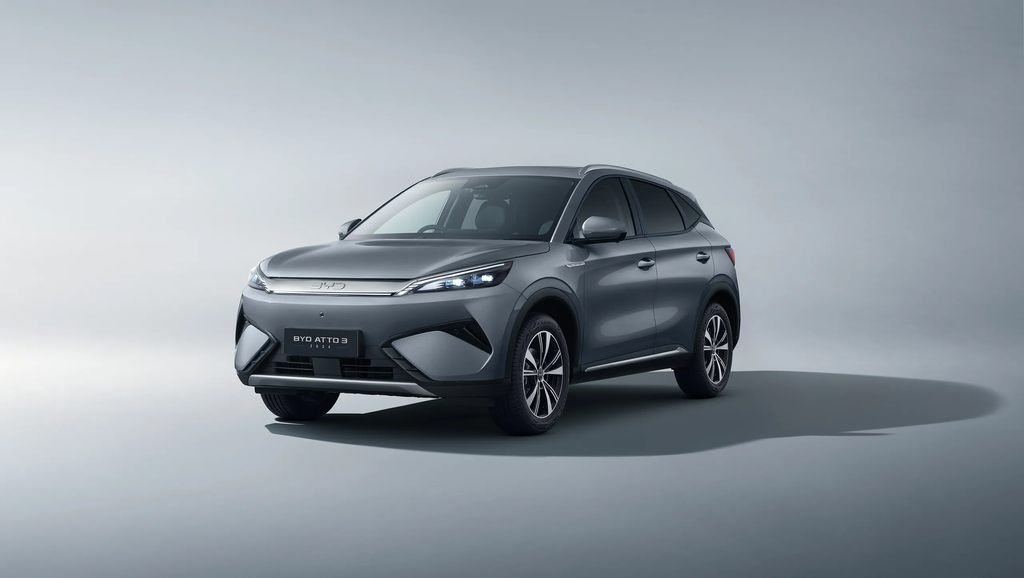
The smooth power delivery also made it easier to control the car through slow hairpin bends. On the return journey, regenerative braking helped manage speed and recover some energy. Hill Descent Control provided additional support on steeper downhill sections, reducing the need to continuously press the brake pedal.
Its 175 mm ground clearance was adequate on the paved sections we encountered. However, drivers should remain careful on deeply damaged roads, sharp road transitions and large speed breakers. Long uphill journeys will also consume noticeably more battery, so keeping a comfortable range reserve is important.
Driving the BYD Atto 3 in Kathmandu
The Atto 3 felt comfortable and easy to drive in Kathmandu traffic. Its light steering helped us navigate narrow roads, while the 360-degree camera made parking in tight spaces easier.
Instant torque provided smooth acceleration in stop-and-go traffic, and regenerative braking reduced frequent brake use. Although its 1,875 mm width requires care on narrow streets, the Atto 3 remains a practical and refined daily EV for Kathmandu.
Interior, Comfort and Practicality
The Atto 3’s interior felt spacious, comfortable and well-built during our test. Soft-touch materials and supportive front seats gave the cabin a premium feel.
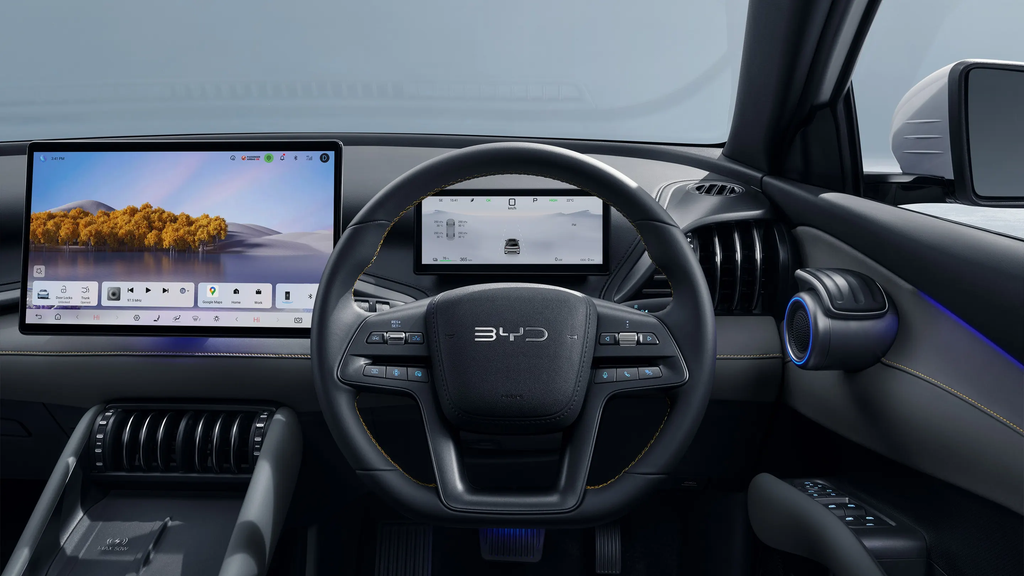
Its gym-inspired air vents, grip-style door handles and guitar-string storage design create a distinctive look. However, this playful styling may not appeal to buyers who prefer a simple cabin.
The flat floor, panoramic sunroof and practical storage spaces make it well suited to everyday family use. Overall, the interior feels more refined than many electric SUVs in this price range.
Rear-Seat Experience
The rear seats offered generous legroom and headroom during our test. The completely flat floor also made the middle seat more comfortable for an additional passenger.
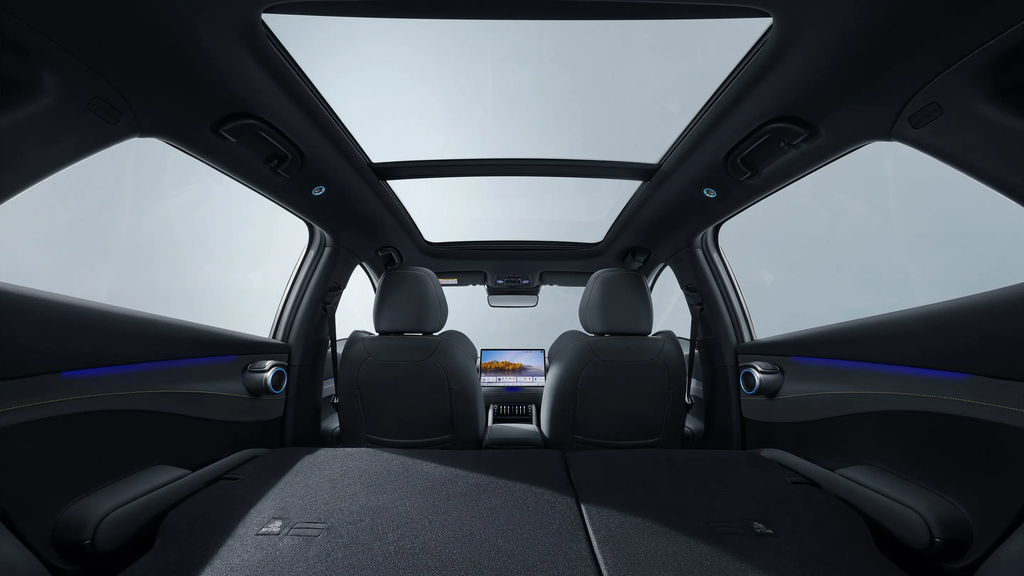
Three adults can fit for shorter journeys, while two adults will remain comfortable on longer trips. Rear AC vents and the panoramic sunroof further improve its suitability for family travel.
Boot Space and Practicality
The Atto 3 provides 434 litres of boot space, enough for two large suitcases and a few smaller bags during our test. Folding the 60:40 rear seats expands it to 1,340 litres.
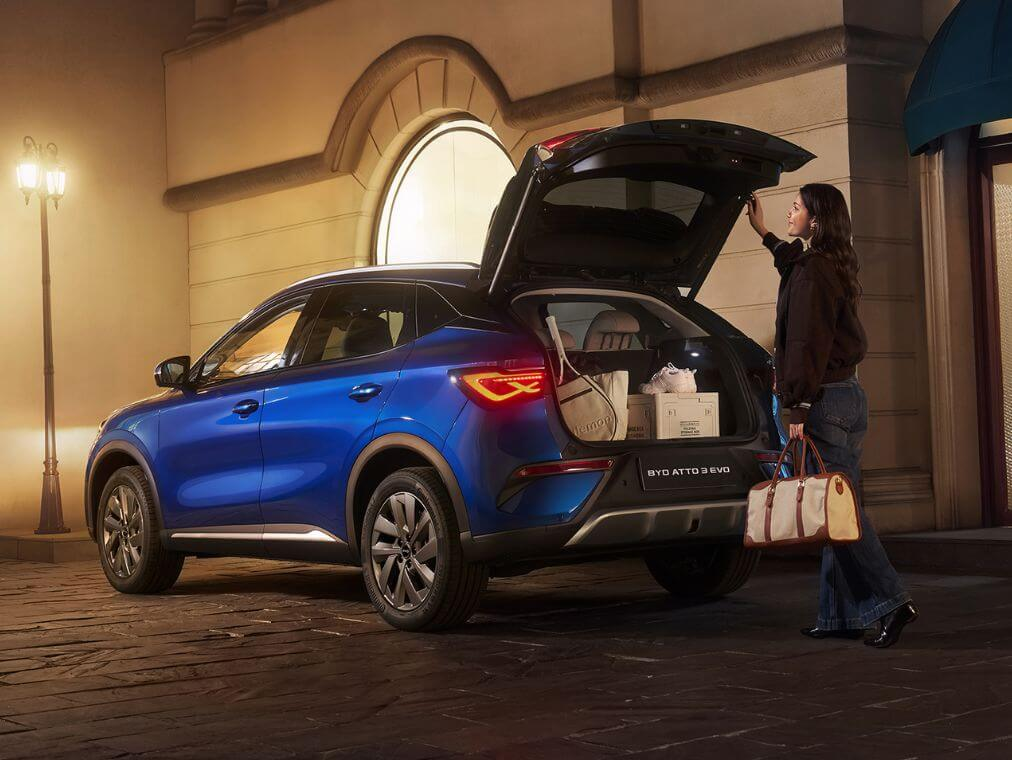
Its adjustable boot floor also makes organizing luggage easier, making the Atto 3 practical for family trips.
Technology and Safety
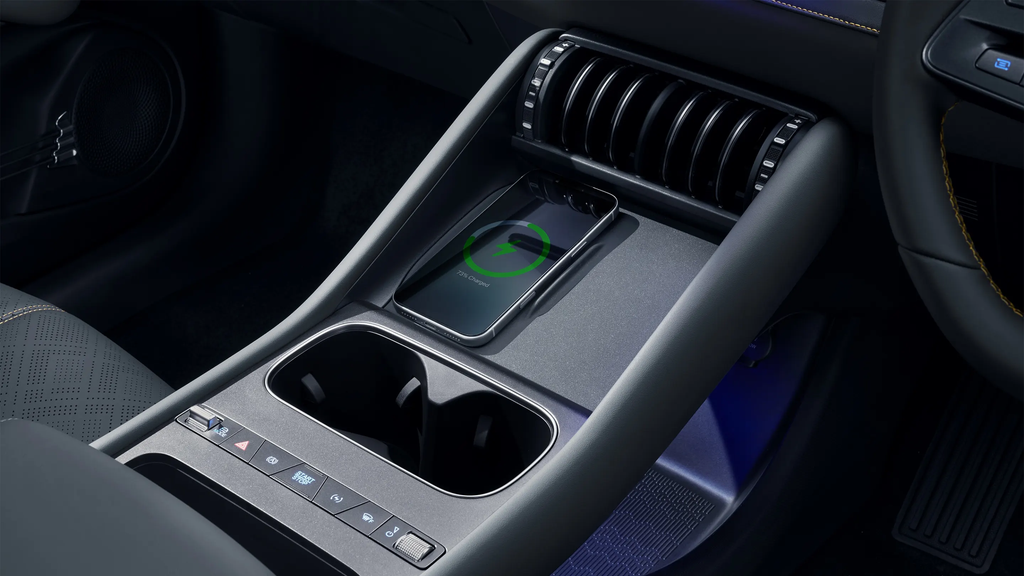
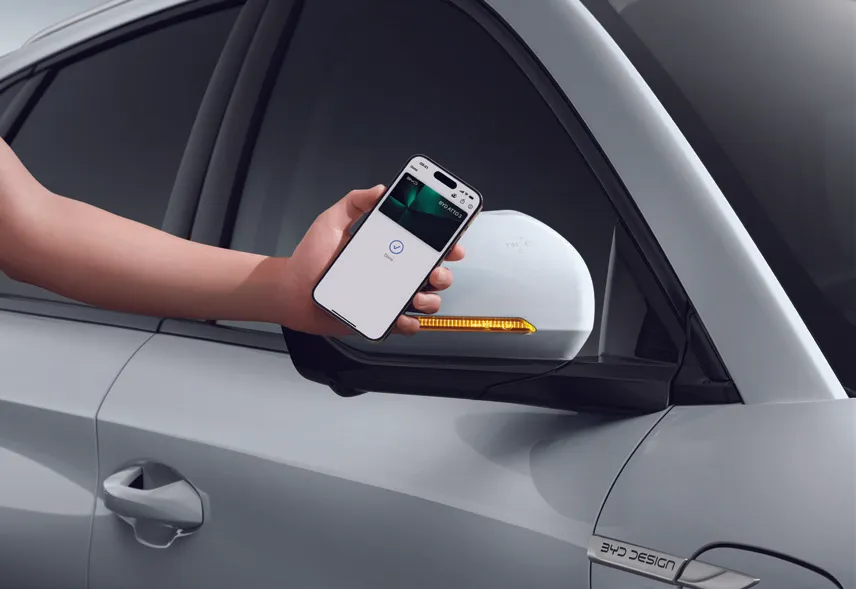
The Atto 3’s 15.6-inch rotating touchscreen was responsive and easy to read during our test. It supports wireless Apple CarPlay and Android Auto. Other useful features include a head-up display, digital key, BYD app connectivity, 50W wireless charging and a clear 360-degree camera.
Safety equipment includes seven airbags and a five-star Euro NCAP rating. Its driver-assistance systems include adaptive cruise control, lane-keeping assistance, automatic emergency braking, blind-spot detection and rear cross-traffic alert.
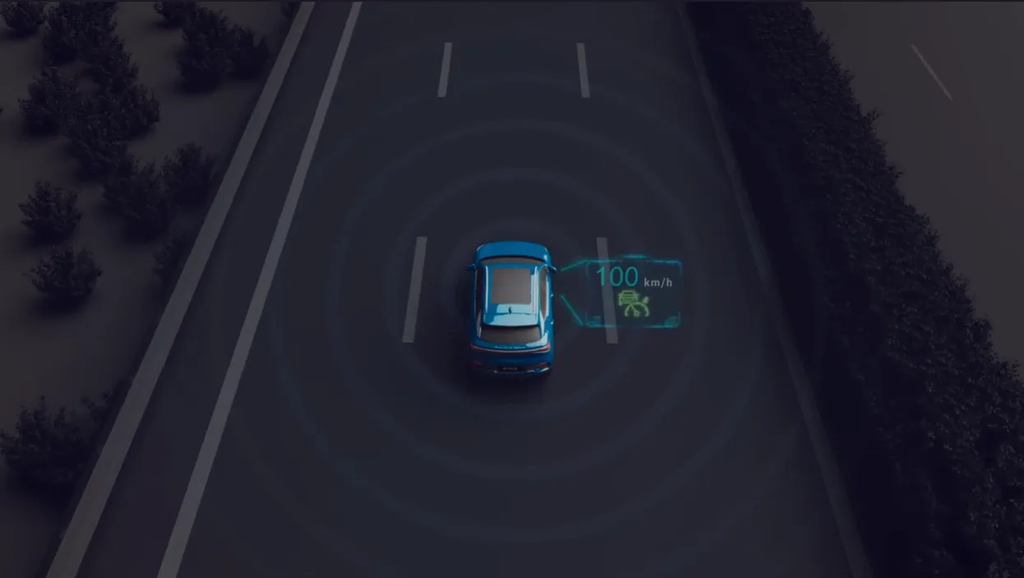
These features make the Atto 3 well equipped for family use, although drivers should treat ADAS as assistance rather than a replacement for attention—especially on Nepal’s poorly marked roads.
Ride Quality and Ground Clearance
The Atto 3’s comfort-focused suspension absorbed Kathmandu’s potholes and uneven surfaces well during our test. However, its soft setup produced some body roll through sharper corners.
Its 175 mm ground clearance cleared regular speed breakers with five passengers onboard. It should be adequate for most paved roads in Nepal, but extra care is necessary on deeply damaged roads, steep transitions and rough rural routes.
Ownership Experience in Nepal
Service: Cimex has authorized service facilities in Kathmandu, Pokhara, Butwal and other major cities. However, owners living farther away should check the nearest service location before buying.
Spare parts: Routine parts are generally available through authorized centres. Body panels and less common components may require a longer wait.
Warranty: Cimex currently lists an eight-year or 160,000 km warranty, subject to its terms, conditions and exclusions.
Running cost: Based on our charging estimate, electricity costs around NPR 1.5–2 per kilometre when charging at home. Routine maintenance is also simpler than in a petrol SUV because there is no engine oil or spark plug replacement.
Resale: BYD’s established presence and strong demand in Nepal may support resale value. However, battery condition, warranty coverage, tax policies and future EV prices will influence the actual amount.
Pros and Cons
Pros
- Spacious and premium cabin
- Comfortable ride quality
- Practical real-world range
- Strong safety and ADAS package
- Low home-charging cost
Cons
- Interior design may feel too unconventional
- 175 mm clearance limits rough-road use
- Touchscreen-based controls can distract
- Superior variant is relatively expensive
- Service access remains limited outside major cities
BYD Atto 3 vs Alternatives in Nepal
The Atto 3 competes closely with the Omoda E5, MG ZS EV and Deepal S07.
- Omoda E5: More affordable with sharper styling, but the Atto 3 feels more established in Nepal.
- MG ZS EV: Offers a conventional SUV design, although its cabin and platform feel older.
- Deepal S05: Larger, more futuristic and tech loaded, also it costs less but may feel bulky in Kathmandu.
Overall, the Atto 3 offers the most balanced mix of comfort, safety, range and ownership confidence. The Omoda E5 suits value-focused buyers, while the Deepal S05 is better for those wanting a similar, more premium SUV.
Who Should Buy the BYD Atto 3?
The Atto 3 is best suited to urban families seeking a comfortable, spacious and technology-rich EV. It works well for daily Kathmandu commutes, regular highway journeys and occasional family trips outside the valley.
The Advance offers better value for city use, while the Superior suits buyers who need additional range.
Who Should Consider Alternatives?
Consider another vehicle if you need high ground clearance, regular rough-road capability or a wider service network outside major cities. Alternatives may also suit buyers who prefer traditional interior styling, physical controls or stronger acceleration.
Verdict: Should You Buy the BYD Atto 3 in Nepal?
The BYD Atto 3 remains one of Nepal’s most complete family EVs. It combines practical range, a spacious cabin, strong safety features and comfortable driving with relatively low running costs.
Its unconventional interior and 175 mm clearance will not suit everyone. However, for daily city use and occasional highway trips, the Atto 3 is easy to recommend.
Tecnech Rating: 8.5/10