
Redmi Mobile in Nepal has become a household name in Nepal when it comes to affordable smartphones. Since the launch of the first Redmi phone in 2013, Xiaomi’s sub-brand has earned the trust of Nepali users by offering feature-packed phones at competitive prices.
Whether you’re a student, a casual user, or someone looking for a budget-friendly upgrade, Redmi has something for everyone. In recent years, models like the Redmi Note 12 and Redmi 14C have gained attention for their decent performance and value. However, users have also raised concerns about software issues, heating, and average camera quality.
In this blog, we’ll give you an updated overview of Redmi mobile price in Nepal (June 2025). We’ll explore the latest models, their features, performance, and which one is right for your needs. From budget-friendly options to higher-end Redmi phones, we’ve got you covered.
Let’s find out if Redmi phones are still worth your money in 2025.
Current Price Segments in Nepal (June 2025)
Talking about the Redmi Mobile Price in Nepal, it cover a wide range of price points, offering something for every type of user. From affordable entry-level options to upper mid-range devices, Redmi continues to focus on delivering value for money. Below is a breakdown of the latest Redmi mobile prices in Nepal as of June 2025.
Entry-Level (NPR 10,000 – NPR 29,999)
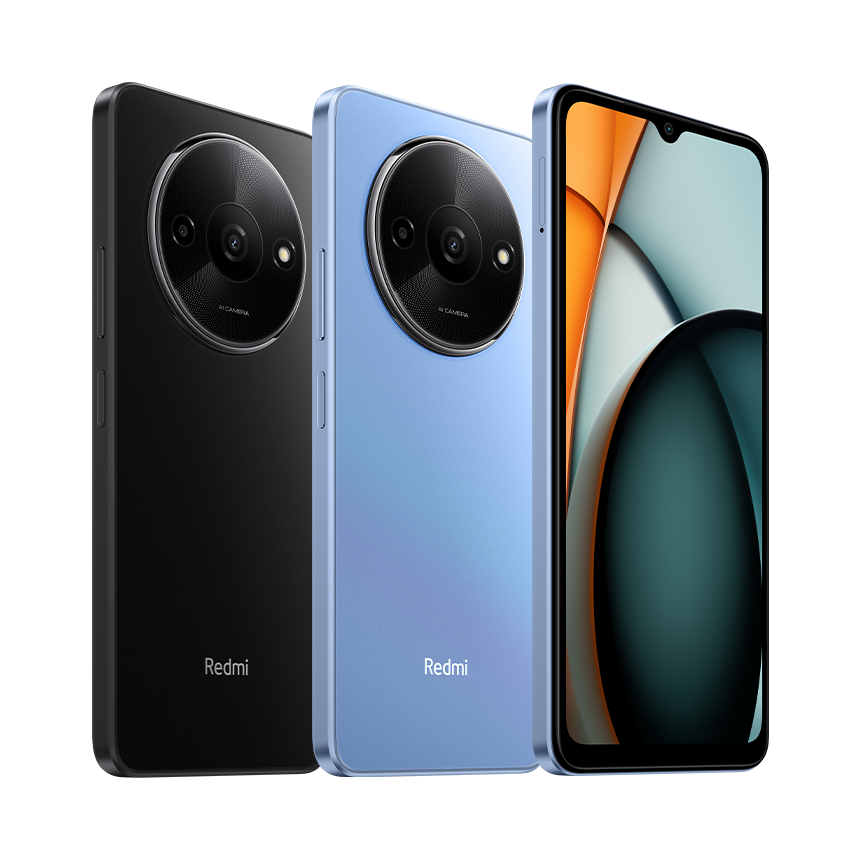
Best for: First-time smartphone users, students, light users
Popular Models:
- Redmi A3 – NPR 11,999
- Redmi 13C – NPR 18,999
- Redmi 13 – NPR 27,499
Mid-Range (NPR 30,000 – NPR 59,999)
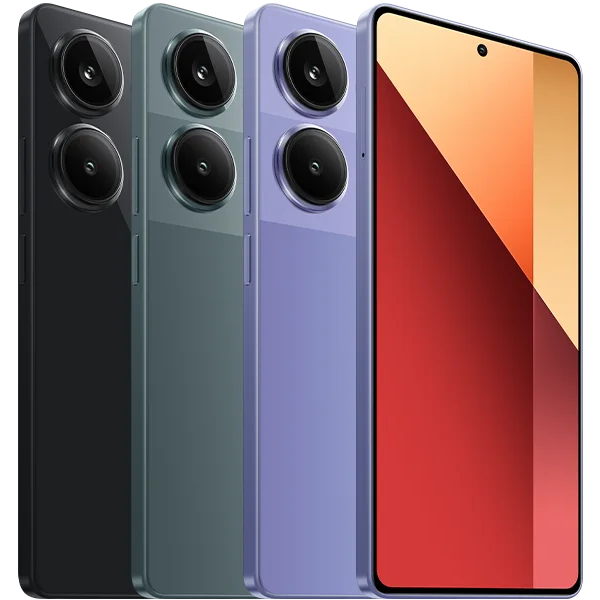
Best for: Daily users, casual gamers, media consumers
Popular Models:
- Redmi Note 13 4G – NPR 30,999
- Redmi Note 13 Pro 4G – NPR 39,999
- Redmi Note 13 Pro+ 5G – NPR 54,999
Upper Mid-Range (NPR 60,000 – NPR 99,999)
Best for: Power users, mobile photographers, multitaskers
Popular Models:
- Redmi Turbo 4 Pro – NPR 64,999 and above
- (Other high-end models may be available in limited quantities or through online imports)
Flagship (NPR 100,000 and above)
Redmi primarily focuses on the budget to midrange market. Xiaomi’s flagship offerings are usually found under the main Xiaomi or POCO brand rather than Redmi.
Smartphone Comparison Table
To help you compare the key Redmi models available in Nepal, here’s a side-by-side look at their core features, specs, and price as of June 2025. This table is designed to make your buying decision easier based on what matters most to you whether it’s display, camera, performance, or battery life.
Note: Prices may vary slightly based on location, retailer, and available offers.
Design & Display
Redmi phones in 2025 offer a mix of functional design and modern display technology, catering to users across different price points.
Design:
- Entry-level models like the Redmi A3 and Redmi 13C come with plastic backs and frames, which help reduce weight and cost. Despite the materials, the phones look clean and sturdy.
- Midrange and upper-midrange models such as the Note 13 Pro+ 5G and Turbo 4 Pro introduce more premium finishes, including glass backs, metal frames, and slimmer bezels. These devices feel more refined in hand and resemble higher-end smartphones.
- Some newer models even come with IP54 water and dust resistance ratings, which is a welcome addition in this price range.
Display:
- Screen Sizes: Most Redmi models now feature large displays ranging from 6.5 to 6.8 inches, making them ideal for watching videos, reading, or gaming.
- Panel Types:
- Budget phones (Redmi A3, 13C) use LCD panels, which are serviceable for daily use.
- Mid to upper models (Note 13 series, Turbo 4 Pro) feature AMOLED displays, offering deeper blacks, better color contrast, and sharper visuals.
- Refresh Rate:
- Entry-level phones usually have 60Hz or 90Hz refresh rates, which offer smoother visuals than older models.
- Midrange and premium Redmi phones now come with 120Hz or even 144Hz refresh rates (Turbo 4 Pro), providing ultra-smooth scrolling and gaming.
Brightness and Visibility:
- Brightness levels range from 450 to 1800 nits depending on the model.
- While entry-level phones are usable outdoors, AMOLED models like the Note 13 Pro+ and Turbo 4 Pro offer better visibility in sunlight.
Overall, Redmi’s recent improvements in design and display make even lower-priced models feel modern, while midrange ones compete well with more expensive phones.
Also Read: Nothing Phone 3A Price in Nepal
Performance Overview
Redmi smartphones in 2025 continue to offer a good balance of performance for everyday use, casual gaming, and multitasking especially in the midrange and upper-midrange segments.
Processors and Chipsets:
- Budget models like the Redmi A3 and 13C are powered by MediaTek Helio G36 and G85 chipsets. These are suitable for basic tasks like browsing, social media, and light apps, but may lag with multitasking or gaming.
- Midrange models (Redmi 13, Note 13 series) use Snapdragon 685 or MediaTek Helio G99 Ultra, which provide a noticeable improvement in app loading times, responsiveness, and gaming smoothness.
- Flagship-level models such as the Redmi Note 13 Pro+ 5G and Redmi Turbo 4 Pro come with Dimensity 7200 Ultra and Snapdragon 8s Gen 3, delivering high-speed performance for power users, multitaskers, and gamers.
RAM and Storage Options:
- Redmi phones are available in variants ranging from 3GB to 12GB RAM and 32GB to 512GB storage, depending on the model.
- Higher RAM variants (6GB and above) provide smoother performance during multitasking and are recommended for those who use multiple apps or play games.
Gaming Experience:
- Casual games like PUBG Lite, Free Fire, and Subway Surfers run fine on most Redmi devices.
- For graphically demanding games like COD Mobile or Genshin Impact, only the higher-end models like the Turbo 4 Pro offer stable frame rates and reduced heat buildup.
- Thermal performance is improved in newer models, but some users still report heating and throttling during long gaming sessions on midrange devices.
Daily Usage:
- Redmi phones handle everyday activities well such as calling, messaging, browsing, and video playback.
- MIUI or HyperOS UI performance is smooth on newer chipsets, though occasional lags or bugs can occur, especially on budget devices.
In short, Redmi offers solid performance for the price, but users who need lag-free gaming or long-term smoothness should aim for at least a midrange model with 6GB RAM or more.
Camera Features
Redmi phones come with versatile camera setups, but the results vary significantly depending on the model and price segment.
Rear Camera Setup:
- Budget phones (Redmi A3, 13C) typically include 8MP to 50MP main sensors. These perform well in good lighting but often lack detail and dynamic range in low-light conditions.
- Midrange devices like the Redmi Note 13 4G/5G or Redmi 13 offer 50MP to 108MP cameras with supporting sensors like ultrawide and macro lenses. These setups give users more flexibility, though image quality still depends heavily on lighting.
- Premium models such as the Note 13 Pro+ 5G and Turbo 4 Pro pack 200MP main sensors with features like OIS (Optical Image Stabilization) and advanced night mode, which significantly improve low-light photography.
Front Camera (Selfies):
- Selfie cameras range from 5MP on low-end phones to 16MP or 32MP on higher-end models.
- Selfie quality is decent for video calls and social media, though midrange and above models provide sharper, better-exposed results.
Special Camera Features:
- Night Mode: Available on most models, but effectiveness improves drastically on Pro models with better sensors and stabilization.
- Portrait Mode: Delivers good background blur, especially on newer models with AI enhancements.
- Video Recording:
- Budget models offer up to 1080p at 30fps, with no stabilization.
- Midrange and flagship Redmi phones support up to 4K video recording, some with EIS for better stability.
- OIS, where available, reduces shaky footage and improves low-light video capture.
Overall Camera Performance:
- In bright light, most Redmi phones capture sharp, colorful images.
- In low light, however, grain, focus issues, and slow shutter response affect image quality, especially on budget models.
- Compared to similarly priced Samsung or Motorola phones, Redmi still offers decent results but may lag in overall image processing and detail retention.
If photography is a priority, going for models like the Redmi Note 13 Pro+ 5G or Turbo 4 Pro will yield much better results than budget options.
Battery & Charging
Redmi smartphones generally offer reliable battery life, making them a popular choice among users who need all-day usage without frequent charging.
Battery Capacity:
- Entry-level and budget models usually come with batteries around 4000mAh to 5000mAh.
- Midrange devices like the Redmi Note 13 and Redmi 14C often feature 5000mAh to 5100mAh batteries.
- Higher-end Redmi phones, such as the Turbo 4 Pro, boast large 6000mAh to 7550mAh battery packs for extended usage.
Battery Life:
- Typical screen-on-time ranges between 7 to 15 hours depending on usage patterns and model.
- Phones with AMOLED displays and 90Hz or 120Hz refresh rates consume more power but balance it with larger batteries.
- Most Redmi phones easily last a full day on moderate use, including web browsing, social media, and video streaming.
Charging Speeds:
- Charging speeds vary significantly:
- Budget models support 18W fast charging, which can take about 2 hours for a full charge.
- Midrange and premium models support faster charging, with speeds up to 33W or higher on select models.
- The Turbo 4 Pro model supports 67W fast charging, filling up the battery quickly.
Power Saving:
- Redmi’s MIUI or HyperOS includes battery optimization features like adaptive brightness, background app restrictions, and power-saving modes that help extend battery life.
Overall:
Redmi phones provide good battery backup for their price, with fast charging options improving convenience. However, heavy gaming or high refresh rate use can drain the battery faster.
Software & Features
Redmi smartphones run on MIUI or the newer HyperOS, both based on Android. The software experience offers a mix of features and some challenges.
User Interface:
- MIUI and HyperOS provide a colorful and customizable interface with features like themes, gesture controls, and a system-wide dark mode.
- The UI includes useful tools such as a built-in screen recorder, second space (for privacy), and a game turbo mode for smoother gameplay.
Ads and Bloatware:
- One downside is the presence of ads and pre-installed apps in the UI, which some users find intrusive.
- Ads can sometimes appear in system apps like the file manager or security apps, but users can reduce them with manual settings changes.
Updates:
- Redmi offers regular updates with bug fixes and security patches, though update frequency and longevity vary by model.
- Some users report bugs or performance issues after updates, but Xiaomi generally tries to improve stability over time.
Extra Features:
- Most Redmi phones include biometric security options such as fingerprint sensors (side-mounted or under-display) and face unlock.
- Recent models often feature dual speakers, 3.5mm headphone jacks, and infrared blasters.
- Connectivity options include 4G LTE or 5G (depending on the model), Wi-Fi 5 or 6, and Bluetooth 5.0 or newer.
- Some higher-end Redmi models offer IP53 water and dust resistance for added durability.
Overall Software Experience:
- The software is feature-rich and customizable but may require patience for those bothered by ads and occasional glitches.
- For users who prioritize clean, ad-free software, third-party launchers or custom ROMs might be an option.
Audio & Connectivity
Redmi phones provide decent audio and connectivity features suitable for everyday use.
Audio:
- The built-in speakers offer average sound quality clear enough for calls, casual video watching, and social media, but lacking deep bass or richness for audiophiles.
- Most Redmi models still include a 3.5mm headphone jack, making it easy to use wired headphones without adapters.
- Bluetooth support is standard, allowing connection with wireless earbuds and speakers.
Connectivity:
- Redmi devices support 4G LTE on most models, with many recent releases offering 5G connectivity in Nepal, enabling faster mobile internet speeds.
- Wi-Fi standards generally range from Wi-Fi 5 (802.11ac) on budget models to Wi-Fi 6 on premium Redmi phones.
- Bluetooth versions 5.0 and above are common, providing stable and energy-efficient wireless connections.
- Additional features include dual SIM slots, GPS, and sometimes NFC for contactless payments (available mostly in higher-end variants).
Call Quality:
- Redmi phones typically deliver good call quality, with clear voice reception and reliable microphone performance.
Pros and Cons of Redmi Phones in Nepal
Pros:
- Affordable pricing with good specifications for the price
- Large battery capacity offering reliable battery life
- Smooth user experience on higher RAM models
- Display refresh rates up to 120Hz on midrange models for smooth visuals
- Wide availability across online and offline stores in Nepal
- Support for 5G on many recent models
Cons:
- Camera quality is average and often struggles in low-light conditions
- Software includes ads and pre-installed apps that can affect user experience
- Performance may lag on lower RAM and entry-level processor variants
- Heating and throttling issues reported during heavy gaming or multitasking
- Software updates can be irregular and sometimes buggy
Price & Availability of Redmi Phones in Nepal (June 2025)
Redmi offers a wide range of smartphones across different price segments in Nepal, making it accessible for various budgets.
Entry-Level (NPR 10,000 – 29,999):
- Models like the Redmi A5 and Redmi 14C fall into this category.
- These phones offer basic features suitable for daily tasks like calling, messaging, and light app usage.
- Ideal for users seeking affordable options without demanding heavy performance.
Mid-Range (NPR 30,000 – 59,999):
- Popular models such as Redmi Note 12 and Redmi 13 are in this segment.
- They feature better displays, improved cameras, and more powerful processors, providing a good balance of price and performance.
- Suitable for students, casual gamers, and media consumers.
Upper Mid-Range (NPR 60,000 – 99,999):
- Higher variants like Redmi Turbo 4 Pro fit here, with premium build quality, higher refresh rate displays, and larger batteries.
- Offer enhanced camera setups and faster charging.
- Recommended for users who want more power and features without paying flagship prices.
Flagship (Above NPR 100,000):
- Redmi’s premium models in Nepal may occasionally reach this segment but are rare compared to other flagship brands.
- These models compete with international flagships in specs and design.
Availability:
- Redmi phones are widely available through local retailers, authorized Xiaomi stores, and online platforms like Daraz and official Xiaomi Nepal websites.
- Festival sales and occasional discounts can make these phones even more affordable.
Also Read: Best Budget Phone Under 15000 in Nepal
Best Alternatives to Redmi Phones in Nepal
While Redmi Mobile Price in Nepal offer excellent value for money, some users may prefer alternatives based on specific needs such as better cameras, cleaner software, or improved gaming performance. Here are a few solid alternatives available in the Nepali market:
1. Samsung Galaxy A25
- Slightly more expensive than similar Redmi models
- Offers a better camera experience, especially in low-light conditions
- One UI provides a cleaner and more refined software experience with longer software support
2. Motorola Moto G34
- Known for its clean, stock Android interface without ads or bloatware
- Good power efficiency and battery optimization
- Strong option for users who value simplicity and stability
3. Realme Narzo 60
- Competitive specs for the price
- Better gaming performance and faster charging than some Redmi counterparts
- Offers a stylish design and smooth AMOLED display
These alternatives are worth considering if you are looking for a specific feature set, such as improved camera output, longer software support, or a more refined software experience.
Final Verdict: Are Redmi Phones Still Worth It in 2025?
Redmi smartphones continue to be a solid choice for many Nepali users in 2025. With a wide range of models catering to different price segments, Redmi remains one of the most affordable and accessible smartphone brands in Nepal.
For budget-conscious users, Redmi offers reliable daily performance, decent display quality, and long battery life. Midrange buyers will appreciate the higher refresh rate screens, more powerful processors, and upgraded camera setups in newer models. However, those seeking top-tier gaming or professional photography might find better value in brands like Samsung or Realme.
The major trade-offs include occasional software bugs, ads in the user interface, and average low-light camera performance. Still, considering the pricing and features, Redmi delivers good overall value.
Who should buy a Redmi phone in Nepal?
- Budget Buyers: Great for students, first-time smartphone users, and those upgrading from older devices
- Media Consumers: Good display and battery life for watching videos and browsing
- Casual Users: Smooth performance in higher RAM models for daily use
- Light Gamers: Suitable for casual games and social media
If your priority is affordability with reasonable performance, Redmi remains a trustworthy choice in Nepal’s smartphone market.
Frequently Asked Questions (FAQs)
1. What is the cheapest Redmi phone in Nepal?
The most affordable Redmi phone currently available is the Redmi A5, starting at around NPR 10,999. It offers basic features suitable for light usage.
2. Which Redmi phone is best for gaming?
Phones like the Redmi Note 13 Pro or Redmi Turbo 4 Pro offer better gaming performance due to stronger processors and higher RAM options. However, for heavy gaming, alternatives with better thermal management may be more suitable.
3. Do Redmi phones support 5G in Nepal?
Yes, many recent Redmi models such as the Redmi Note 13 5G and Redmi 14C 5G support 5G connectivity, provided that 5G service is available in your area.
4. Are Redmi phones good for photography?
Redmi phones take decent photos in daylight. However, low-light performance is often average. If photography is a top priority, you might consider models with larger sensors or optical image stabilization.
5. Where can I buy Redmi phones in Nepal?
You can purchase Redmi phones from authorized Xiaomi showrooms, retail stores, or trusted online platforms like Daraz, Hukut, and Mi Nepal’s official website.